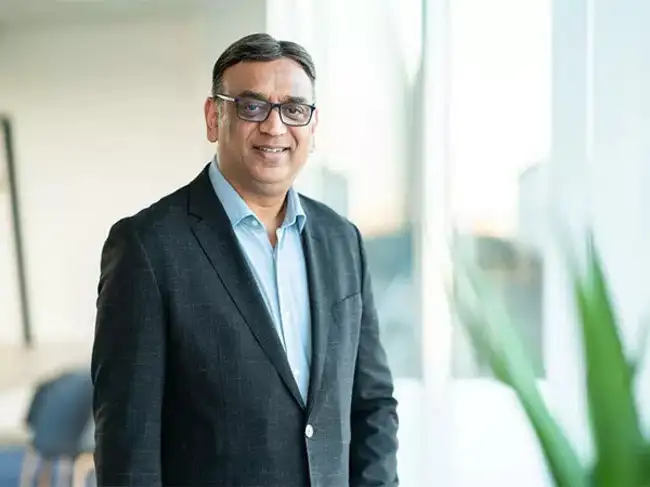
Intel Corporation has confirmed the departure of Saf Yeboah-Amankwah, the company’s Chief Strategy Officer, marking a significant leadership change as the chipmaker continues its multiyear transformation to reclaim its position at the forefront of the global semiconductor industry.
In a statement issued to the media, Intel said: “We are grateful for Saf’s contributions to Intel and wish him the best.” While the company did not elaborate on the reasons for his departure or name a successor, sources familiar with the matter indicate that the move was part of an internal restructuring effort as Intel sharpens its focus on execution, operational discipline, and its ambitious strategy to build a world-class foundry business.
Yeboah-Amankwah joined Intel in 2020 during a pivotal time for the company. As Chief Strategy Officer, he was tasked with leading Intel’s global strategy, corporate development, and planning functions. His appointment came as the company was facing increased competitive pressure from rivals such as AMD, NVIDIA, and a resurgent ARM ecosystem, while also contending with delays in its manufacturing roadmap.
Prior to joining Intel, Yeboah-Amankwah spent over two decades at McKinsey & Company, where he was a senior partner in the Technology, Media & Telecommunications practice. His experience advising top global tech firms made him a valuable addition to Intel’s executive leadership, particularly as the company sought to chart a new path under CEO Pat Gelsinger, who took the helm in early 2021.
During his time at Intel, Yeboah-Amankwah helped steer several key initiatives, including the company’s IDM 2.0 strategy, which aims to reposition Intel as both a leading chip designer and a top-tier foundry for other semiconductor companies. He was also involved in shaping Intel’s M&A activities and long-term vision to strengthen U.S. semiconductor manufacturing capabilities, an effort supported by government incentives through the CHIPS and Science Act.
Despite his strategic role, some analysts note that Intel’s turnaround efforts have faced challenges, including delays in product rollouts, stiff competition in AI chips, and the heavy capital investment required to build out its foundry business. While Yeboah-Amankwah was not directly responsible for operations, his exit comes at a time when Intel is increasingly emphasizing execution over vision.
“This move likely reflects Intel’s shift toward operational rigor,” said Daniel Newman, principal analyst at Futurum Research. “Saf played an important role in helping define the strategic blueprint, but now the focus is on delivery—hitting manufacturing milestones, regaining market share, and competing in high-growth segments like AI and automotive.”
Intel’s leadership changes have been closely watched by investors and industry observers, especially as the company works to regain technological leadership from TSMC and Samsung in advanced chip fabrication. Under Gelsinger’s leadership, Intel has committed to delivering five nodes in four years and breaking ground on new fabs in the U.S. and Europe.
As Intel begins the search for a new strategy chief—or potentially redistributes the responsibilities across its leadership team—the company’s future will depend heavily on its ability to align strategy with flawless execution.
Yeboah-Amankwah’s departure adds to a growing list of recent executive exits at Intel, a reflection of the internal shakeups often seen in companies undergoing transformation at this scale. Still, his legacy at Intel includes laying the foundation for a bolder, more globally integrated vision of the company’s future.
Intel has not provided a timeline for naming his replacement.