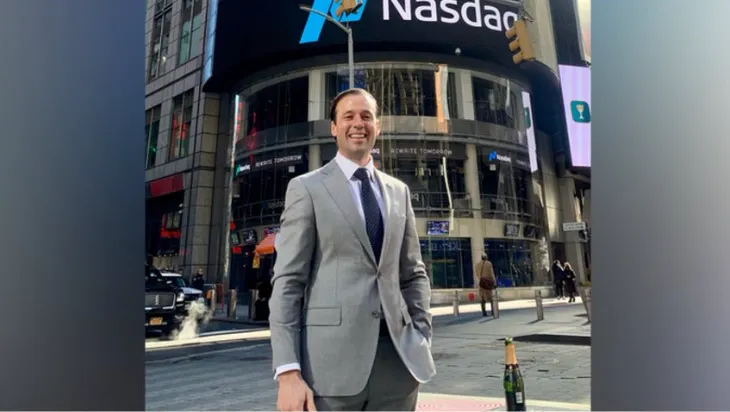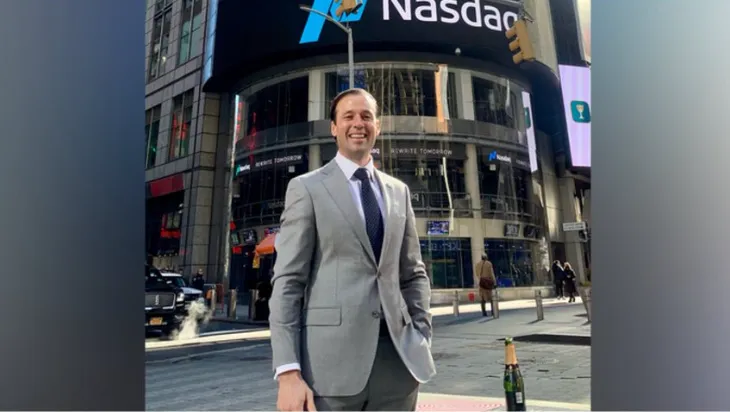
A prominent biotech executive is suing Uber after allegedly being violently assaulted by an undocumented driver using a fake identity — and then losing access to his account days later.
Bryan Kobel, CEO of TC BioPharm, has filed a lawsuit against Uber Technologies, Inc. and its subsidiary, Raiser, following an incident in April 2025 in Charleston, South Carolina. According to Kobel, the attack occurred after a dispute with an Uber driver who refused to allow his service dog into the vehicle.
The driver, identified as 42-year-old Vadim Nikolaevich Uliumdzhiev, a Russian national, was reportedly operating illegally in the U.S. with a fraudulent driver’s license. Despite this, he was authorized to transport passengers through Uber’s platform.
The altercation reportedly escalated in a restaurant parking lot on King Street. When Kobel attempted to cancel the ride due to the driver’s refusal, Uliumdzhiev allegedly exited the vehicle, grabbed Kobel by the neck, and struck him multiple times. Surveillance footage captured the assault, showing the CEO and his dog knocked to the ground as bystanders called for help.
“He’s bleeding very badly in the back of the head,” one caller told emergency responders. Kobel was rushed to MUSC Health University Medical Center, where he received seven staples in his scalp, stitches for other wounds, and was diagnosed with a severe concussion. He reported being unable to speak coherently or use screens for nearly two months post-incident.
Despite the gravity of the assault, Uliumdzhiev allegedly fled and picked up another passenger minutes later. He was later arrested and charged with second-degree assault and battery. Authorities discovered his illegal status, placing him on an immigration hold.
Shockingly, Kobel claims Uber suspended and then permanently deactivated his account within 48 hours of the incident — despite providing medical records and police documentation. “They chose to vilify me rather than protect their rider,” he said.
His legal team argues Uber neglected its duty of care by allowing an unvetted, undocumented individual with a fake ID to operate on its platform. Attorney Kenneth Berger stated, “Riders rely on Uber to know who is behind the wheel. Uber must be held accountable.”
Uber has yet to publicly respond. The case has sparked renewed calls for stricter rideshare vetting and corporate accountability as questions mount over safety, verification, and trust in gig-economy platforms.