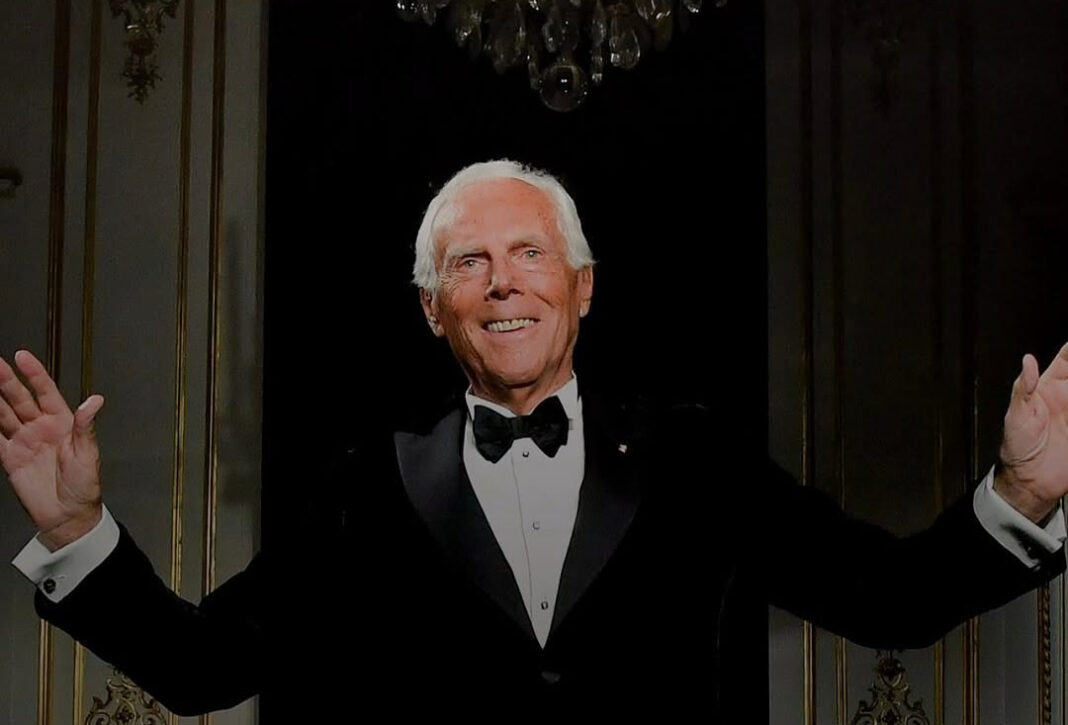
Giorgio Armani, the legendary Italian designer, left behind more than a fashion legacy when he passed away at 91—he left an empire built on elegance, independence, and uncompromising standards. As founder, chairman, CEO, and creative director of Giorgio Armani SpA, he shaped one of the last great privately-owned luxury fashion houses, valued at over €7 billion and generating more than €2.3 billion annually.
Born in 1934 in Piacenza, Italy, Armani’s journey to global influence began humbly. Initially pursuing a career in medicine, he transitioned to fashion in the 1960s, working as a buyer and window dresser at La Rinascente in Milan. His eye for aesthetics took him to Nino Cerruti and eventually to founding his own label in 1975 with business partner Sergio Galeotti. Armani’s soft, deconstructed men’s suits redefined power dressing and captured Hollywood’s attention—most famously through Richard Gere’s wardrobe in American Gigolo.
Yet Armani’s genius extended far beyond the runway. In the 1980s and 90s, he reversed over-licensing trends by vertically integrating his operations. He acquired key production facilities and suppliers, ensuring every product—from haute couture to Emporio Armani and A|X—reflected his high standards. This strategic move preserved the integrity of the Armani name, distinguishing it from brands diluted by mass licensing.
His vision expanded beyond clothing. Armani created a holistic luxury lifestyle brand with successful lines in home décor, beauty, accessories, and even hospitality. Armani Hotels, developed with Emaar in Dubai and Milan, reflect his signature aesthetic: sleek, refined, and timeless.
Unusually for a brand of this scale, Giorgio Armani remained wholly independent until his passing. In 2016, he established the Giorgio Armani Foundation to ensure continuity and shield the company from acquisition. Now controlling the business, the foundation’s governance includes trusted family members—like his nieces and nephew—as well as long-time collaborators. This ensures the Armani legacy remains intact: rooted in quality, independence, and elegance.
Why This Story Matters to Leaders:
- Ownership is power: Armani proved independence can be a strategic strength.
- Vertical integration safeguards brand identity and margins.
- Diversification builds resilience.
- Succession planning protects vision beyond the founder.
Armani’s empire wasn’t just built with fabric—it was crafted with foresight, discipline, and style. In a world of fast fashion and corporate takeovers, his model remains rare—and deeply instructive.