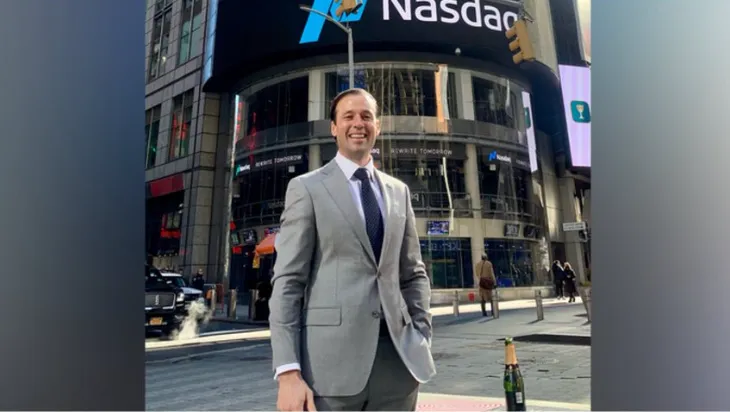
A biotech CEO is suing Uber following a violent assault allegedly carried out by an undocumented driver operating under a fake identity. Bryan Kobel, CEO of TC BioPharm, filed the lawsuit in Charleston County Court, seeking damages for physical injuries, emotional trauma, and the abrupt deactivation of his Uber account following the incident.
The altercation occurred in April 2025 in Charleston, South Carolina, when Kobel requested a ride with his service dog. The driver, later identified as Vadim Nikolaevich Uliumdzhiev—a 42-year-old Russian national in the U.S. illegally—refused to allow the dog in his car. When Kobel tried to cancel the ride, he alleges that Uliumdzhiev exited the vehicle, assaulted him, and fled the scene.
Surveillance footage from the nearby parking lot reportedly shows Uliumdzhiev headbutting and punching Kobel, who was knocked to the ground and left with a severe concussion and head injuries requiring staples and stitches. Despite the assault, the driver allegedly picked up another passenger within minutes.
Emergency responders transported Kobel to MUSC Health University Medical Center. He spent weeks recovering from cognitive impairment, vision issues, and memory loss. “It was nearly 60 days before I could think clearly again,” Kobel stated, describing the long-lasting effects on his health and professional life.
Shockingly, Kobel’s Uber account was suspended shortly after the attack and permanently deactivated within 48 hours. Despite submitting police and hospital records, Uber allegedly offered no assistance and failed to reinstate his account. “They vilified me instead of helping,” he said.
Uliumdzhiev was arrested, charged with second-degree assault and battery, and later placed on an ICE immigration hold after authorities confirmed he was using fraudulent documents to drive for Uber.
Kobel’s legal team claims Uber failed in its duty to protect passengers by not adequately vetting drivers. “Uber allowed someone with a fake ID to pick up riders and assault a passenger,” said attorney Kenneth Berger. The case raises serious concerns about rideshare safety, background checks, and corporate accountability.
Uber has yet to issue a public response regarding the lawsuit.
As Kobel continues to recover, the case is prompting renewed scrutiny of the company’s driver verification systems and its responsibility to ensure rider safety—especially for vulnerable individuals relying on service animals.