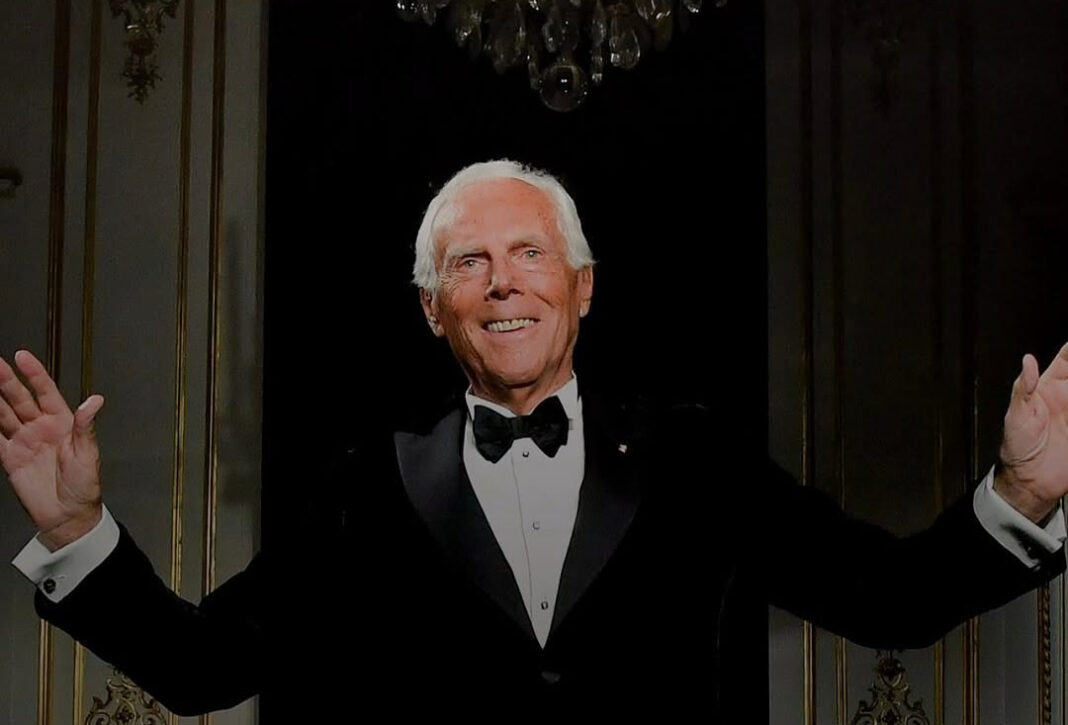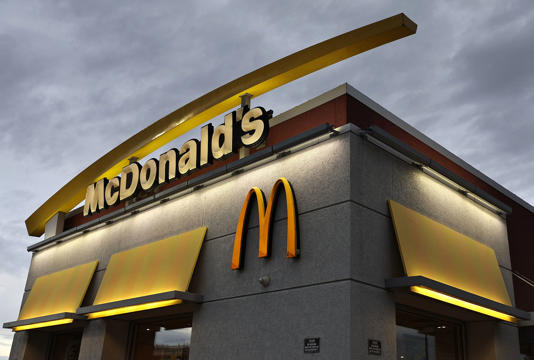
McDonald’s CEO Chris Kempczinski has raised concerns about a deepening economic divide in the U.S., pointing to troubling signs among middle- and lower-income consumers. In a recent interview on CNBC, Kempczinski described a “two-tier economy” where affluent households continue spending, while financially stressed consumers pull back.
To address this disparity, McDonald’s is expanding its value menu, aiming to retain price-sensitive customers who are increasingly impacted by inflation, higher interest rates, and mounting debt. “Particularly with middle- and lower-income consumers, they’re feeling under a lot of pressure right now,” Kempczinski said.
This growing economic rift isn’t a new trend, but it’s becoming more pronounced. After the COVID-19 pandemic, government stimulus programs temporarily narrowed spending gaps. However, by 2024, inflation and rising interest rates began to hit working-class Americans hard, eroding their financial resilience.
According to Moody’s Analytics, the top 10% of U.S. earners — those making at least $250,000 annually — now account for 50% of all consumer spending, up from 36% three decades ago. This shift reflects the increasing concentration of wealth and spending power among the wealthy, while others struggle to keep up with basic costs.
Data from the Boston Federal Reserve shows that lower-income households have significantly more credit card debt today than in 2019. Additionally, financial services firm Vanguard reports a rise in hardship withdrawals from 401(k) retirement plans, suggesting increased financial strain. Hiring growth for hourly-wage jobs has also slowed, further pressuring working-class Americans.
These trends are already affecting the retail and service sectors. Companies like McDonald’s and Starbucks are adjusting their offerings to attract cost-conscious consumers. Economists warn that unless wages catch up with inflation and credit burdens ease, consumer demand from the lower-income segment will continue to decline — potentially slowing the broader economy.
Tariffs and other cost pressures are also driving up prices, further limiting consumer options. With job growth softening, especially in lower-wage sectors, the future remains uncertain for millions of Americans living paycheck to paycheck.
McDonald’s strategic shift toward value-focused offerings reflects not just changing consumer habits but a fundamental reshaping of the economic landscape — one increasingly defined by financial inequality.