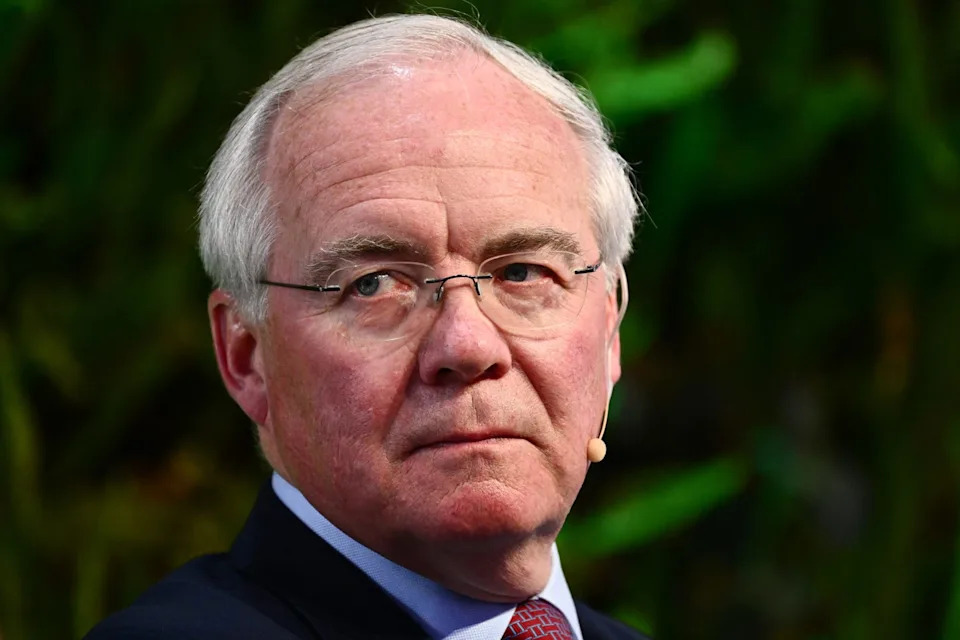
Former Kroger CEO Rodney McMullen’s abrupt resignation earlier this year is back under scrutiny, thanks to an unrelated lawsuit filed by singer-songwriter Jewel. A Cincinnati judge has now ordered McMullen to submit a written explanation detailing why he suddenly stepped down in March—an unusual legal twist that could finally shed light on the mystery surrounding his departure.
McMullen, who led Kroger for over a decade, resigned following an internal investigation into his “personal conduct.” The company provided no additional details at the time. However, McMullen’s decision to forfeit more than $11 million in unvested equity and bonuses immediately raised red flags among legal and business experts. According to corporate law professor Eric Chaffee of Case Western Reserve University, such a move is rare for a CEO, and may indicate an effort to keep certain matters private.
Now, McMullen finds himself entangled in a civil case brought by Jewel and a business partner, who are suing Kroger over its annual Wellness Festival. The plaintiffs claim they played a foundational role in launching the event and allege that the company breached contractual agreements. As part of their legal strategy, Jewel’s attorneys argue that understanding why McMullen resigned could be relevant to his credibility as a witness, and may help expose deeper issues within Kroger’s corporate culture.
McMullen’s legal team has pushed back, calling the request invasive, irrelevant, and potentially embarrassing. Nevertheless, Hamilton County Judge Christian Jenkins ruled earlier this month that McMullen must provide a written explanation—including names of others involved—by August 8. Whether that document will ever become public remains uncertain. If the court finds the information relevant to the case, it may be sealed. If it’s deemed irrelevant, it won’t be entered into the record at all.
Chaffee explains that while probing a CEO’s personal exit may seem intrusive, courts often weigh a witness’s ethical background when credibility is at stake. “If a party offers someone as a witness,” he said, “opposing counsel is entitled to test that individual’s character and trustworthiness.”
The case now hangs in a balance between two legal principles: protecting individuals from undue embarrassment and preserving the public’s right to transparency in judicial proceedings—a tension that could soon reveal whether McMullen’s mysterious exit was more than just a personal decision.