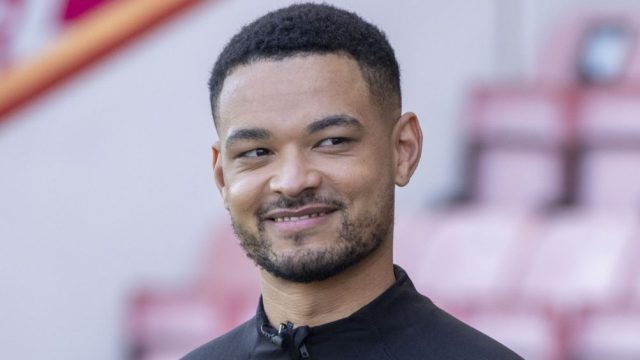
At just 22, Steven Bartlett built his first company. By 26, he launched The Diary of a CEO, a podcast that quickly became a cultural juggernaut. Today, at 33, he’s taking the show to the big screen—literally. A new episode featuring Louis Tomlinson is being screened in cinemas across the UK and Ireland, offering fans a 24-hour early look for £14.99.
This move into cinemas may be novel, but it also encapsulates what many see as the troubling direction of modern podcasting: prioritising reach and revenue over substance and scrutiny.
Bartlett’s podcast, which began as insightful chats with business leaders, has morphed into a platform blending celebrity therapy sessions, health claims, and viral soundbites. It reached peak infamy in 2022 when Molly-Mae Hague famously claimed “we all have the same 24 hours” to justify her success. More recently, Bartlett has come under fire for promoting dubious medical advice investigation highlighted interviews with controversial figures who pushed unverified health theories, including vaccine misinformation.
Despite this, Bartlett remains largely unscathed. He kept his spot on Dragons’ Den, even as questions linger about his past business claims—such as the inflated valuation of Social Chain, his former company, which later sold for far less than stated. In today’s media landscape, where charisma often outweighs credibility, none of it seems to matter.
That’s part of the problem.
The Diary of a CEO has transformed into more than a podcast—it’s a brand, a marketing funnel, and now a cinematic event. Yet for all the hype, ticket sales have lagged. Of the 842 seats available at a London screening, fewer than 40 were sold. Still, Bartlett has found another way to monetise attention, launching Flightcast, a new video-first podcast platform with a former MrBeast engineer.
His success speaks volumes—not about journalistic merit, but about the dominance of clickable content over meaningful dialogue. Bartlett’s empire is built on packaging vulnerability, controversy, and aspiration into glossy, monetisable bites.
And in an era where entertainment increasingly overlaps with wellness, business, and influence culture, Bartlett’s model may be a sign of where we’re headed: a media ecosystem where truth is optional, and the story sells best when it’s sold first.
Whether or not this is sustainable—or good for audiences—is another question entirely.