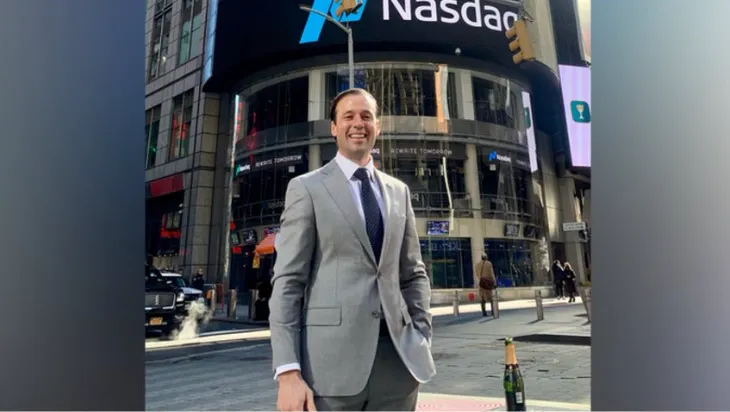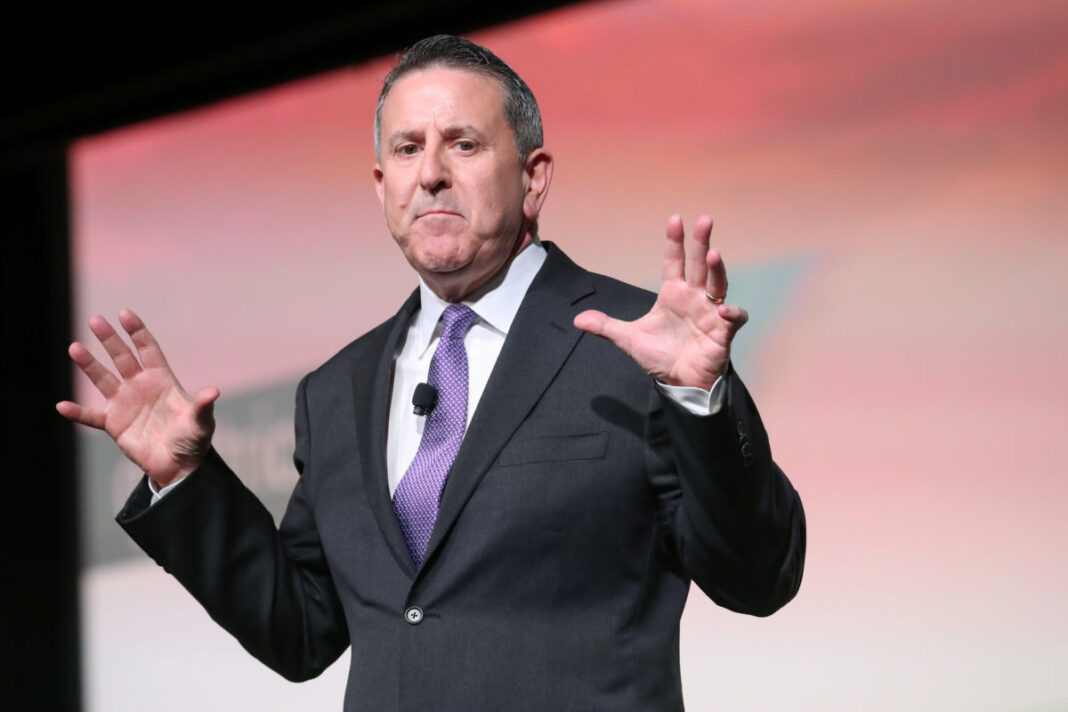
After more than a decade at the helm, Target CEO Brian Cornell will step down on February 1, 2026, as the retail giant continues to struggle with declining sales and customer dissatisfaction. The company announced that Michael Fiddelke, Target’s current chief operating officer and a 20-year veteran who began his career as an intern, will succeed Cornell. Despite speculation that Target would bring in an external leader to redirect its faltering strategy, the board opted to promote from within—a move met with skepticism by analysts and investors alike.
Cornell, who will remain as executive chairman, is credited with revitalizing the brand after taking over in 2014. His tenure saw store remodels, digital expansion, and early e-commerce gains that helped Target compete with giants like Amazon and Walmart. However, recent years have been unkind. Target’s sales have declined for three consecutive quarters, and the company’s stock has tumbled nearly 10% following the latest earnings report—placing it among the poorest performers in the S&P 500 this year.
The company’s internal challenges go beyond sales. Target has faced mounting criticism for backing away from some of its Diversity, Equity, and Inclusion (DEI) initiatives, a decision that drew backlash from progressive customers, advocacy groups, and even the Dayton family, descendants of one of Target’s co-founders. The DEI retreat led to online protests and boycotts, contributing to the erosion of customer loyalty.
Analysts argue that appointing an insider like Fiddelke may not be the strategic shake-up the company needs. “This internal appointment does not necessarily remedy the problems of entrenched groupthink,” said Neil Saunders of GlobalData Retail. “Target, once highly attuned to consumer trends, has lost its connection with the American shopper.”
Target’s recent struggles are compounded by fierce competition from rivals like Walmart, Amazon, and Costco, as well as shifting consumer spending habits. The once-reliable sales of home goods and apparel have weakened, leaving the company searching for a way to reconnect with its core audience.
Fiddelke now faces the enormous challenge of steering Target back to relevance. While his deep knowledge of the company may provide stability, stakeholders are watching closely to see whether he can reverse the downturn—or if Target’s leadership missed a chance for meaningful transformation.