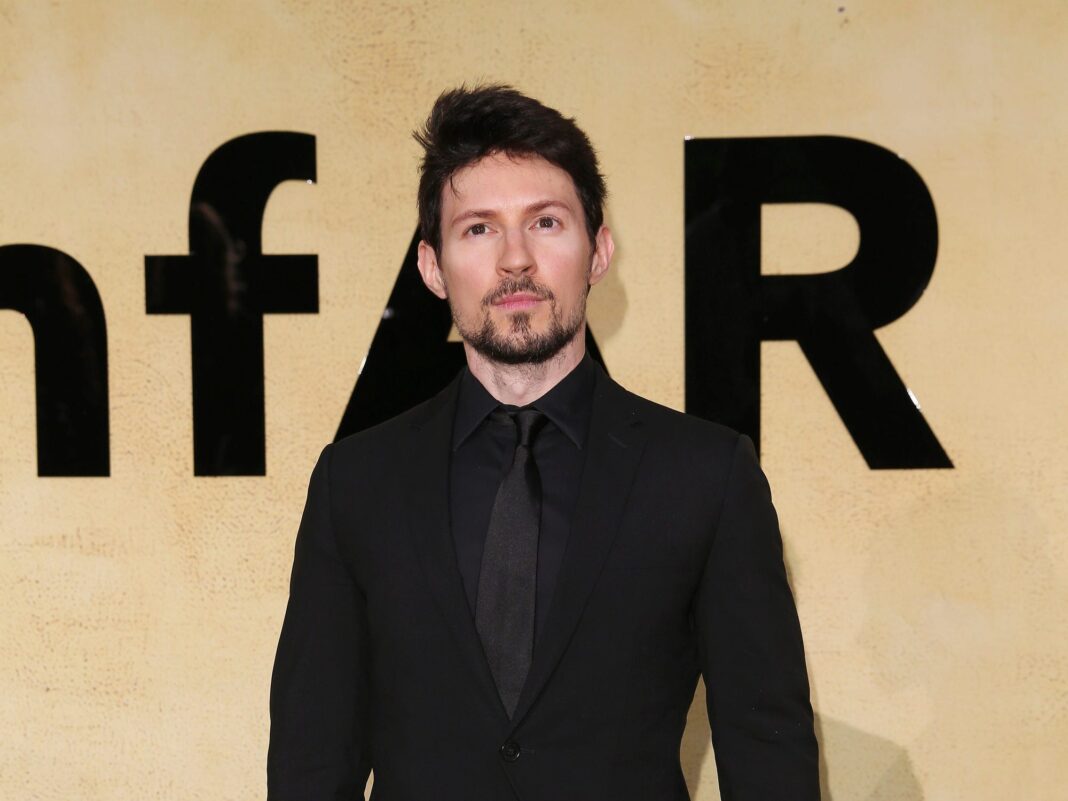
Pavel Durov, the CEO and cofounder of Telegram, lives a life that’s surprisingly disconnected — despite leading one of the world’s biggest messaging platforms.
In a recent interview on Lex Fridman’s podcast, Durov shared his unorthodox approach to productivity: he prioritizes sleep, aims to avoid smartphone distractions, and carves out mental space to generate ideas.
“I sleep 11 to 12 hours every night,” Durov revealed. He explained that even if he’s lying awake thinking, that time allows him to reflect and innovate. “Some of my best ideas come during those hours,” he added.
Durov also avoids reaching for his phone first thing in the morning — a sharp contrast to the habits of most tech leaders. His goal is to minimize digital noise and protect his ability to think independently. “Phones are distractions that prevent people from forming their own ideas,” he said.
Fridman, who spent two weeks with Durov, observed that the tech entrepreneur barely used his phone and didn’t scroll social media at all. While Durov is the force behind apps designed for constant connection, he says his personal philosophy is the opposite.
“I want to define what is important in my life. I don’t want other people or companies telling me what I should be thinking about,” Durov explained.
It may seem paradoxical. Durov first gained fame as the founder of VKontakte (VK), Russia’s largest social network, and later created Telegram — now one of the world’s most-used messaging apps. Yet, he warns that constant connectivity can actually reduce productivity.
“The more accessible you are, the less productive you become,” he said.
Durov is also known for his strong stance on privacy and digital freedom. In August 2025, he made headlines for refusing to grant third-party access to Telegram users’ messages, declaring he would “rather die” than compromise user privacy. This follows a controversial arrest in France over allegations tied to illegal activity on Telegram — accusations he has denied.
Despite being a symbol of the digital age, Durov continues to challenge the norms of tech culture. His daily routine is a reminder that stepping back from screens — and sleeping more — might just be the most radical productivity hack of all.