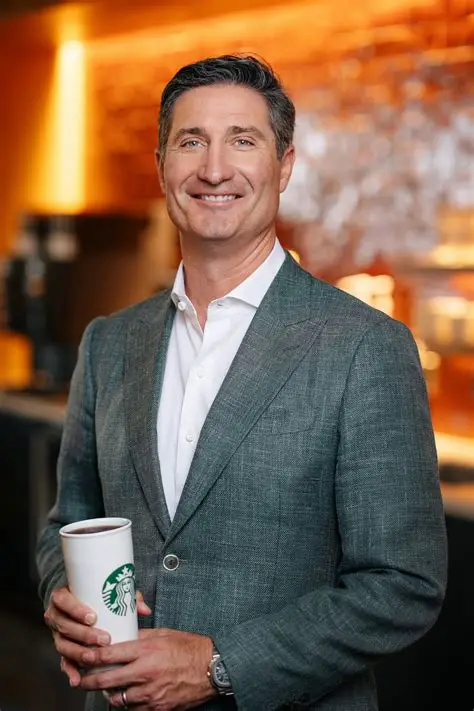
In a candid reflection at the Salesforce Dreamforce conference, Starbucks CEO Brian Niccol opened up about missteps he made during his first year leading the global coffee giant.
Niccol acknowledged that, early on, he misjudged the importance of communicating transformation plans transparently and immediately. His “Back to Starbucks” strategy—which includes a revised barista dress code, menu simplification, new mobile‑order systems, and selective store closures—was launched without adequate clarity or cultural framing. He admitted: “We needed to get into the conversation from day one so people understood, transparently, what we are trying to do.”
He now sees that in the earliest months, the company should have told a clearer story about its vision and direction in more culturally resonant ways. He noted that waiting until changes were underway before explaining them was a tactical error.
Under Niccol’s leadership, the “Back to Starbucks” overhaul has sparked both internal and external tensions. The campaign has ushered in multiple rounds of layoffs, the closure of underperforming stores, and procedural shifts—moves that drew criticism from employees and skepticism from investors. The company has also struggled with a streak of declining same-store sales, marking six consecutive quarters of contraction.
Despite these challenges, Niccol believes in the necessity of bold leadership. He emphasized that guiding Starbucks now involves setting the pace decisively—even when buy-in isn’t immediate—and being comfortable with tough decisions. “If you’re waiting for others to give you consent or support, you’re going to be waiting for a while,” he said, adding that part of leadership is recognizing when dissent becomes distracting to the organization.
Niccol also highlighted the importance of culture and storytelling in leadership, lessons drawn from his prior turnaround experience at Chipotle. He is reshaping Starbucks’ leadership team—bringing in trusted colleagues from his previous roles to help drive alignment and execution.
Ultimately, Niccol reiterated his view that Starbucks is “more than just coffee,” and stressed that part of his role as CEO is to define and communicate the company’s mission and values from the top down.