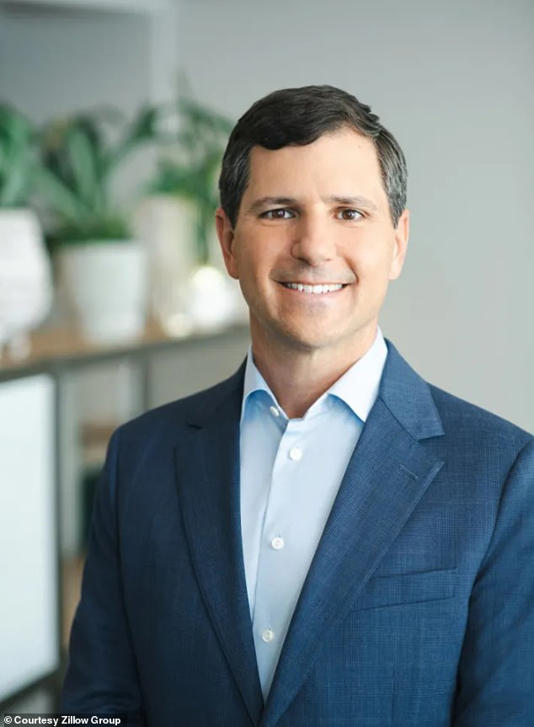
As home sales in the U.S. plunge to a 30-year low in 2024, Zillow remains a rare real estate success story. In a recent interview with The New York Times, Zillow CEO Jeremy Wacksman shed light on the root cause of what many are calling America’s housing crisis—and it’s not just about high mortgage rates.
Wacksman, who took over as CEO in 2024 but has been with the company since 2009, says the core issue isn’t affordability on its face, but supply. “We have an affordability crisis, which is driven by an availability crisis. It is a supply-side problem,” he said.
While much of the public conversation centers around rising mortgage rates, Wacksman insists they’re a secondary factor. “The real problem for a homebuyer is that home prices are up 30%, 50%, even 100% from pre-pandemic levels in some markets. Incomes haven’t come close to keeping pace.”
According to the U.S. Social Security Office, the average income in 2023 was $66,621—a modest 4% increase from the previous year.
Underbuilding Since 2008
Wacksman points to the aftermath of the 2008 financial crisis as the moment the supply crunch began. “We’ve been chronically under-building since then. Less supply and a lot of demand will always keep prices elevated.”
Despite market slowdowns, Zillow continues to see record engagement from users. The phenomenon of “Zillow surfing”—browsing homes online with no immediate intention to buy—is still thriving. “You’re getting a little smarter about what you might want. Then something happens, and you pull the trigger,” he said.
Zillow’s platform has evolved to meet modern buyer expectations. Sellers are now required to list homes within 24 hours of them hitting the market or risk a “Zillow-ban.” Though controversial, Wacksman defends the policy as a move toward transparency and fairness for buyers.
Zillow currently lists about 1.3 million homes for sale, with the average U.S. home value nearing $370,000. Meanwhile, the company’s revenue is climbing and its stock has surged over 60% this year.
“This isn’t just a housing affordability issue—it’s a housing availability crisis,” Wacksman concluded. “Until we build more, prices will stay high and homeownership out of reach for many.”