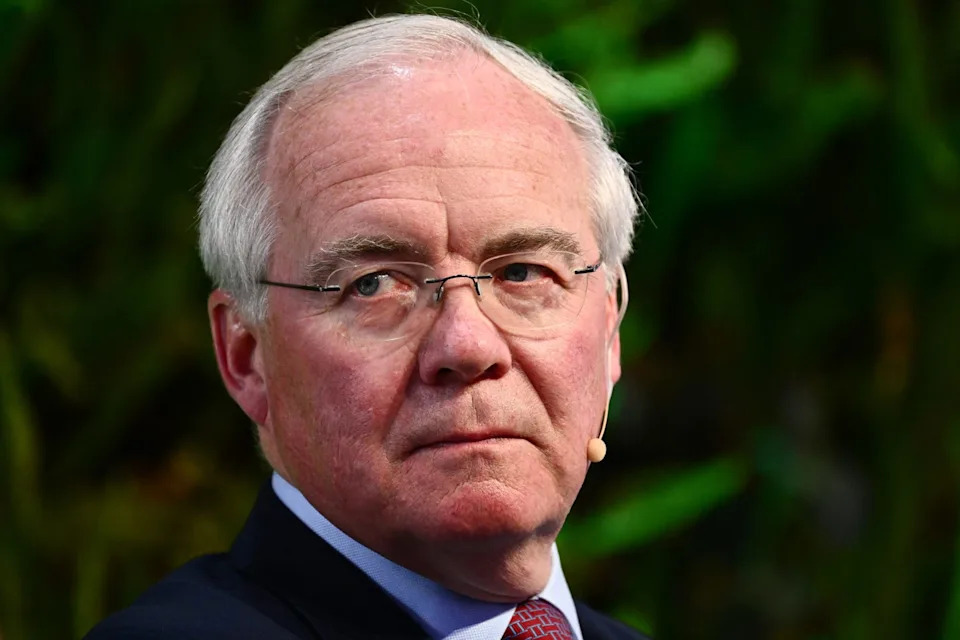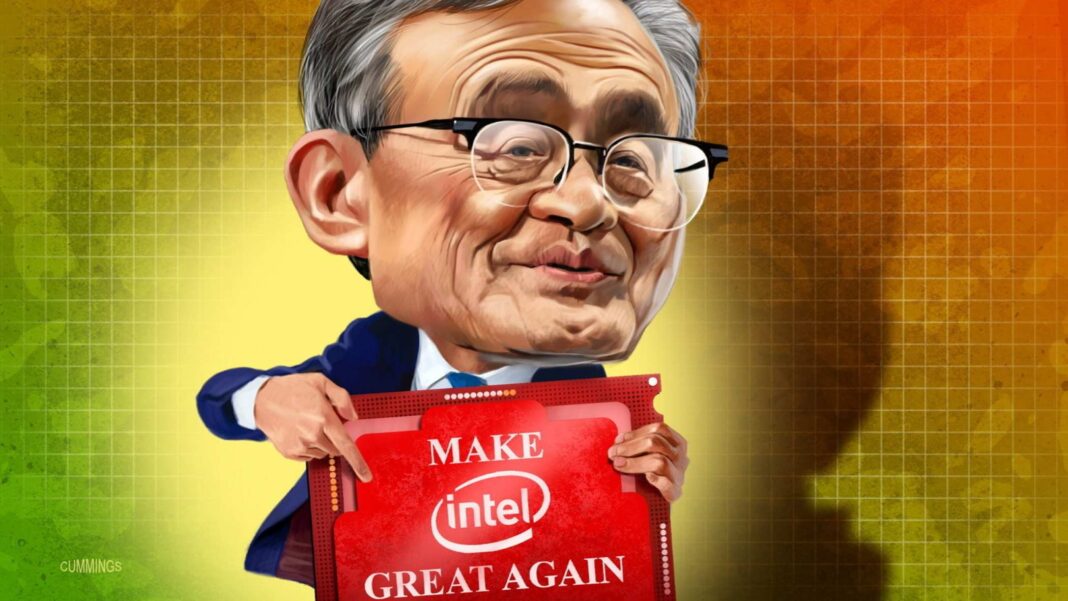
Following his appointment as CEO of Intel in March 2025, Lip‑Bu Tan has found himself steering not just a corporate recovery, but also navigating intense political headwinds. Initially targeted by former President Trump due to his investments in Chinese chip startups via his venture firm Walden International, Tan’s position seemed precarious. However, after a White House meeting that impressed Trump—who described Tan’s story as “amazing”—the tone shifted toward tentative collaboration, including talks of a potential U.S. investment in Intel’s manufacturing operations.
Tan now leads what many consider one of Silicon Valley’s most daunting turnaround efforts. Intel is struggling—losing share across categories and lagging behind competitors like Nvidia in the AI chip surge. Meanwhile, the company’s once-vaunted manufacturing edge has eroded, despite historic investments under the CHIPS Act.
Emphasizing a strategic reorientation, Tan is infusing Intel with a “startup-like” agility. He’s flattening the organizational structure, elevating engineering roles, and dismantling bureaucratic layers to empower innovation. Critical non-core business units are being divested, and core assets like AI, CPUs, and advanced chipmaking are being prioritized.
Tan has also reaffirmed Intel’s foundry ambitions as central to the revival. The 18A process node is expected to enter high-volume production by the end of 2025, while the Panther Lake processors are slated to ship on that node. Intel is adopting a software-first design philosophy and targeting bespoke, custom silicon tailored to AI workloads.
Despite this, corporate losses persist, and clarity on long-term strategy remains elusive. Former CEO Craig Barrett has openly criticized Tan’s investment path, demanding a bold financial rescue from major tech players like Apple and Nvidia to shore up Intel’s advanced chip capabilities.
In the face of economic, political, and cultural challenges, Tan’s leadership is being tested across multiple fronts: winning trust in Washington, reviving engineering-driven innovation, delivering financial discipline, and pivoting strategically to compete in AI and foundry markets. The fate of this storied tech titan now hinges on his ability to execute—quickly, coherently, and resiliently